Muscle overexertion occurs when the body does not recover properly after physical activity. This is common during periods when the intensity or volume of training increases. Overtraining, on the other hand, is a more advanced and worrying stage: it is a state of chronic fatigue that has a negative impact on sporting performance, recovery and even general well-being.
Symptoms of overexertion and overtraining
Spotting the early signs is essential for preventing injuries. Some of the most common symptoms are:
- Constant fatigue or a persistent feeling of tiredness.
- Reduced sporting performance.
- Muscle pain that does not go away with rest.
- Sleep disturbances.
- Lack of motivation or apathy.
- Irritability or mood swings.
- Increased resting heart rate.
- Increased risk of injury or infection.
How to prevent muscle overexertion
Adopting good habits is the best way to avoid problems caused by overtraining:
- Make sure you take rest days and give your muscles time to recover.
- Plan your training in a progressive and balanced way.
- Vary the intensity of the exercises.
- Make sure you stay well-hydrated and eat a balanced diet.
- Listen to your body and don’t ignore the warning signs.
- Carry out regular medical and functional checks.
The importance of medical check-ups in sport
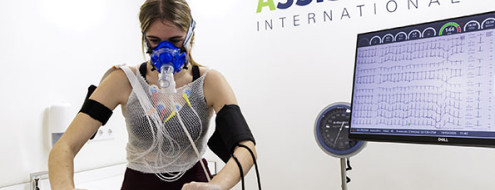
Functional tests and medical assessments provide an accurate picture of an athlete’s physical condition. These tests can be used to identify imbalances, analyse muscle fatigue and tailor the training load to the individual.
This is particularly important for both amateur and professional athletes, as good planning and monitoring can help prevent injuries and improve performance safely.
Commitment to sports health
Prevention is key to ensuring that sport is practised in a healthy way. In this regard, Assisport International is committed to taking a holistic approach based on advanced sports medicine, offering diagnostic, treatment and follow-up services tailored to each athlete.
The centre works with elite athletes, clubs and international federations, offering bespoke solutions to optimise performance and minimise risks.
FAQs on overtraining
1. What is the difference between normal fatigue and overtraining?
Normal fatigue goes away with rest. Overtraining persists over time and affects performance and health.
2. How long should you rest to avoid overexertion?
This depends on the intensity of the training, but it is advisable to include rest days and periods of active recovery.
3. Can amateur athletes also suffer from overtraining?
Yes. In fact, this is common among people who increase their physical activity without proper planning.
4. When should you see a specialist?
When symptoms persist for several days or affect performance and general well-being.