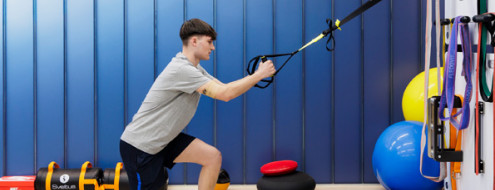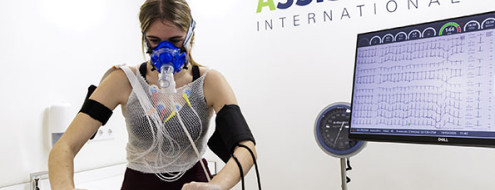
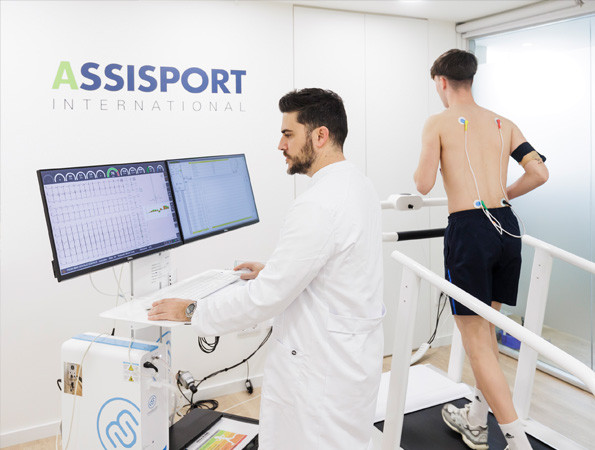
Artificial intelligence (AI) in sport has become a key tool for monitoring and optimising performance. Thanks to its ability to analyse large volumes of data in real time, it provides accurate information on the athlete’s physical condition.
From wearable devices to advanced analytics platforms, AI helps to identify patterns, anticipate risks and personalise training programmes. This technology is particularly useful both for professional athletes and for people who exercise regularly.
The benefits of artificial intelligence in sports medicine
The use of AI in monitoring athletes offers numerous advantages:
- Continuous monitoring of performance and training load
- Early detection of fatigue or the risk of injury
- Personalised analysis based on each athlete’s profile
- Optimisation of recovery times
- Improved technical and medical decision-making
These tools enable you to tailor your training programmes more precisely and reduce the risk of overexertion or injury.
The limits of technology: the key role of specialist doctors
Despite technological advances, it is important to bear in mind that AI is no substitute for clinical judgement. Data alone does not always reflect the full context for each athlete. Factors like medical history, subjective feelings, emotional state or possible medical conditions require a comprehensive assessment that can only be carried out by a healthcare professional. For this reason, the combination of technology and medical expertise is key to ensuring safe and effective participation in sport.
Recommendations for the effective use of AI in sport
To reap the benefits of artificial intelligence without putting health at risk, it is recommended to:
- Use legitimate devices and apps.
- Not base all decisions solely on data.
- Complement technology with regular medical check-ups.
- Listen to your body and pay attention to the warning signs.
- Consult a specialist if you have any concerns or are experiencing any discomfort.
Technology and health: a necessary balance
The integration of artificial intelligence into sports medicine presents a great opportunity to improve performance and prevent injuries. However, it must be used responsibly and always under the supervision of qualified professionals.
In this context, Assisport International is committed to combining technological innovation with personalised, multidisciplinary medical care. The centre offers advanced diagnostic and monitoring tools, always with the aim of placing the athlete’s health at the heart of every decision.
International athletes, clubs and federations can turn to Assisport International as a partner in integrating technology into their day-to-day activities, backed by medical and scientific expertise.
FAQs on artificial intelligence in sport
1. Can artificial intelligence prevent injuries?
It can help to identify risks and patterns, but it does not guarantee prevention without proper medical supervision.
2. Is it reliable to train using only data from wearable devices?
No. The data are useful, but they must be interpreted within a clinical and personal context.
3. Who should oversee the use of these technologies?
Professionals specialising in sports medicine, capable of interpreting the information correctly.
4. Is it useful for amateur athletes?
Yes, provided it is used responsibly and in conjunction with professional advice.